ASUS ROG Strix LC IV 360 ARGB LCD White Edition Processor Liquid cooling kit 12 cm Asus
257,49 EUR
plus shipping and customs
Hardware/ Electronic Asus
Shipping charges are minimized.
105 visitors are looking at this item
Delivery to US in:
4-8 workdays (only 8 left in stock)
Sales Rank:
#9 in Fans&Cooling #76 in Computer
Style:
Fans&Cooling
Product No.:
2101951408
Description:
Weee-Nr.: 54978142
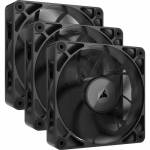
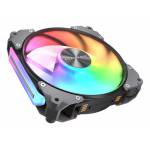
The ROG STRIX LC IV 360 ARGB LCD WHITE from Asus is a high-performance all-in-one (AIO) liquid CPU cooler designed for demanding gaming and creator systems. With a 360 mm radiator and three 120 mm ARGB fans, it is optimized for powerful processors and cases that support 360 mm radiators. The white aesthetic, braided tubes and integrated LCD display on the pump block make it a centerpiece in premium white builds and showcase rigs.
Technically, this AIO combines a 360 mm aluminum radiator with three high-static-pressure PWM fans that feature addressable RGB lighting. The fans are designed for efficient heat dissipation at controlled noise levels and can be regulated via PWM to balance cooling performance and acoustics. The pump unit integrates a customizable LCD display that can show system information (such as temperatures or fan speeds), custom animations, or static images, depending on software support. The cooler is compatible with current mainstream CPU sockets from Intel and AMD (exact socket list depends on the respective platform generation; only use sockets explicitly listed by Asus in the official documentation).
In terms of application, the ROG STRIX LC IV 360 ARGB LCD WHITE is aimed at users who run high-performance CPUs under sustained load: PC gamers, streamers, video editors, 3D artists and other content creators. The 360 mm radiator provides a large cooling surface that helps maintain stable clock speeds under longer gaming sessions or heavy rendering workloads, provided airflow and case compatibility are adequate. The white design and fully controllable ARGB lighting make it ideal for themed builds, particularly in combination with other white ROG or Asus components. The LCD enables quick at-a-glance monitoring of important system values without separate displays.
Advantages of this cooler include high cooling capacity relative to compact air coolers, support for aesthetic customization through ARGB and LCD, and a clean internal layout because the heat is transported directly to the radiator area. By using PWM control, the fans can be slowed down in idle or light load scenarios, reducing noise and energy consumption. The integrated control and software ecosystem from Asus (for example via Aura-compatible tools, if supported) allows coordinated lighting and settings across multiple system components, which simplifies configuration and gives the PC a coherent appearance.
Asus is a globally established manufacturer of PC hardware, especially known for motherboards, graphics cards, gaming notebooks and peripherals under the Republic of Gamers (ROG) brand. ROG products are targeted toward enthusiasts and esports users, combining performance-oriented engineering with distinctive design. Asus invests in research and development to improve thermal solutions, reliability and long-term stability, which is particularly relevant for products like AIO liquid coolers.
In the area of sustainability and environmental protection, Asus communicates various initiatives, such as working toward greater energy efficiency, using more sustainable materials where feasible, and adapting packaging concepts to reduce waste. While specific measures for this exact product are only reliably verifiable via the official documentation or packaging, Asus as a company participates in environmental and social responsibility programs, including efforts to lower its carbon footprint and to improve recyclability across product lines. By choosing a cooler from a manufacturer that publicly engages in such programs, customers can support an industry player that moves in a more sustainable direction. In combination with efficient cooling and smart fan control, this can help reduce unnecessary energy usage over the product's lifetime and thus contribute, within the scope of a PC build, to a more responsible use of resources.







 PC-Components
27.754
- CPU Processors 478- Computer Cases 3.985- External Optical Dr. 137- Fans&Cooling 2.917- Graphics Cards 517- Internal Optical Dr. 65- Motherboards 795- PC Adapters 2.980- PC Cables 8.667- Port Cards&Controll. 364- Power Supplies 4.180- RAM Memory Laptop 296- RAM Memory PC 2.006- Sound cards 18- more Components 349Scanner 594Servers&Accessories 7.082Tablets 1.804
PC-Components
27.754
- CPU Processors 478- Computer Cases 3.985- External Optical Dr. 137- Fans&Cooling 2.917- Graphics Cards 517- Internal Optical Dr. 65- Motherboards 795- PC Adapters 2.980- PC Cables 8.667- Port Cards&Controll. 364- Power Supplies 4.180- RAM Memory Laptop 296- RAM Memory PC 2.006- Sound cards 18- more Components 349Scanner 594Servers&Accessories 7.082Tablets 1.804